

Implant-Supported Dentures vs. Traditional Dentures: Which Is Right for You?
Choosing dentures is a significant decision, and one of the most important choices patients face is whether to pursue traditional dentures or implant-supported dentures. Both options restore missing teeth, but they differ substantially in fit, function, and long-term outcomes. Understanding these differences can help you have a more informed conversation with your prosthodontist about which option best fits your needs.
What Are Traditional Dentures?
Traditional dentures are removable prosthetic teeth that rest directly on the gums. They can replace a full arch of missing teeth (complete dentures) or fill in gaps while natural teeth remain (partial dentures). Traditional dentures are custom-fabricated to match the contours of your mouth and are held in place through a combination of suction, natural retention, and often denture adhesive.
For many patients, traditional dentures offer a reliable way to restore chewing function, support facial structure, and rebuild a confident smile. They also tend to be a more accessible entry point for patients who aren't candidates for dental implants due to bone density, health considerations, or other factors.
What Are Implant-Supported Dentures?
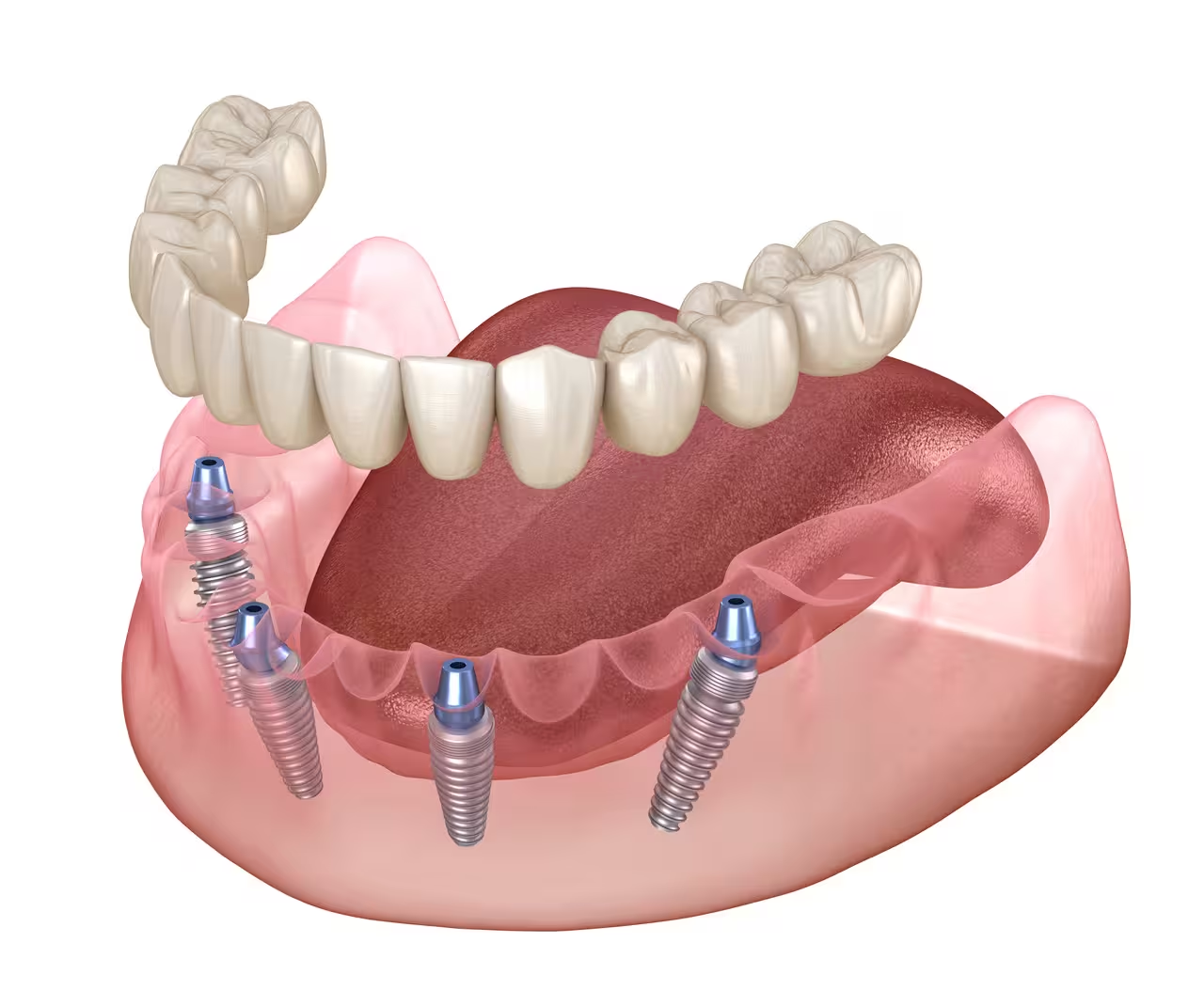
Implant-supported dentures take a different approach. Rather than resting on the gums alone, they attach to a small number of dental implants — titanium posts surgically placed in the jawbone. The denture then snaps or locks onto these implants, creating a far more stable and secure fit than traditional dentures can achieve.
This added stability changes the day-to-day experience significantly. Patients with implant-supported dentures typically report greater confidence when eating, speaking, and smiling, without the concern of a denture shifting or slipping.
Key Differences to Consider
Stability and Fit Traditional dentures rely on suction and gum contact, which can loosen over time as the jawbone naturally changes shape after tooth loss. Implant-supported dentures remain anchored to the implants, providing consistent stability that doesn't diminish in the same way.
Chewing Function Because implant-supported dentures are so much more secure, patients are generally able to eat a wider range of foods with confidence. Traditional dentures can limit certain foods, particularly those that are hard, sticky, or require significant chewing force.
Bone Preservation One of the most significant long-term differences is bone health. When teeth are lost, the jawbone that once supported them begins to resorb, or shrink, over time. Dental implants help preserve that bone by providing ongoing stimulation, similar to natural tooth roots. Traditional dentures don't offer this benefit, which is why patients wearing them for many years often experience changes in jaw shape and denture fit.
Adhesive-Free Wear Implant-supported dentures eliminate the need for denture adhesive, since the implants themselves hold the denture securely in place. This is a meaningful quality-of-life improvement for patients who find adhesives inconvenient or uncomfortable.
Cost and Treatment Timeline Traditional dentures are generally a faster and more accessible option, both in terms of timeline and upfront investment. Implant-supported dentures require a surgical component and a longer overall treatment process, including healing time after implant placement, but many patients find the long-term benefits justify the additional investment.
Which Option Is Right for You?
The right choice depends on several factors: your bone density and overall oral health, your budget, your timeline, and how much you prioritize stability and long-term bone preservation versus a faster, more accessible solution.
Not every patient is automatically a candidate for implant-supported dentures — bone density and overall health play a role in determining candidacy. A thorough evaluation is the best way to understand which option will deliver the best outcome for your specific situation. For a closer look at the denture process itself, our guide on what to expect when getting dentures walks through each stage from consultation to final fitting.
Prosthodontic Expertise Makes the Difference
Both traditional and implant-supported dentures require precision to get right. A denture that doesn't fit properly — whether implant-supported or traditional — can cause discomfort, difficulty eating, and further complications over time. At Mosaic Prosthodontics, Dr. Kaveh Azarnoush brings board-certified prosthodontic training to every denture case, ensuring the fit, function, and appearance of your restoration are built to last.
If you're weighing your options for dentures or implant-supported dentures in Cedar Park, TX, a consultation is the best place to start. For patients who need supporting restorations like dental crowns on implants, we coordinate every aspect of treatment under one roof.
Schedule a Consultation
To learn more about which denture option is right for you, contact Mosaic Prosthodontics and Esthetic Dentistry or request an appointment online. We're located at 1460 E Whitestone Blvd, Suite 210, Cedar Park, TX 78613, serving patients from Cedar Park, Austin, Round Rock, Leander, and Georgetown.