

The Silent Saboteur: Why Tooth Grinding Is Wrecking Your Smile (and Your Life)
Wake up with a sore jaw or dull headache? You might be one of the millions suffering from bruxism. Discover the hidden signs of tooth grinding, the serious 'domino effect' it has on your overall health, and the proven strategies to stop the damage before it’s too late.
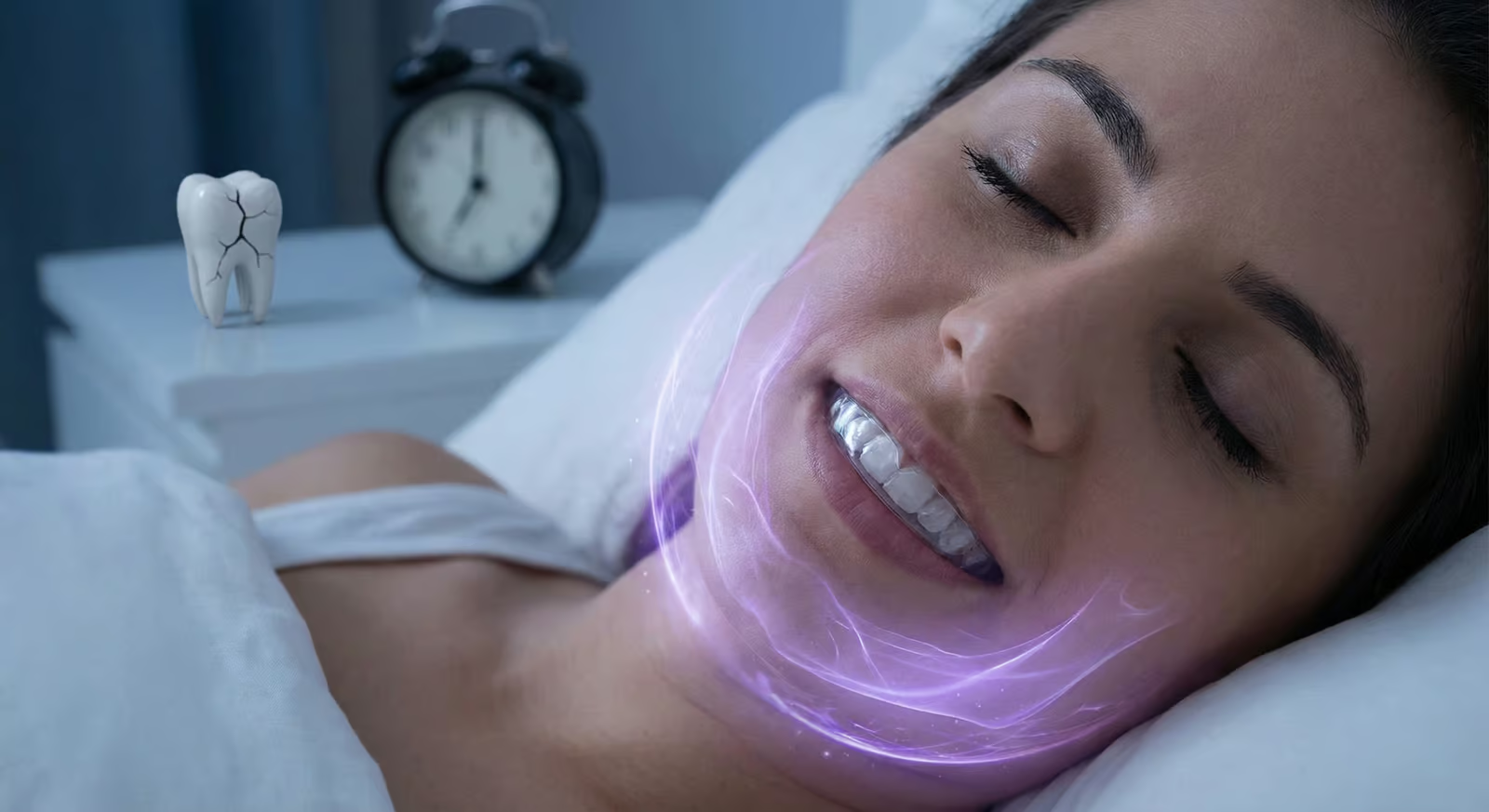
You wake up with a dull headache, a sore jaw, and teeth that feel like they’ve been through a blender. Sound familiar? You’re not alone.
Bruxism—the clinical term for tooth grinding and clenching—affects 1 in 3 adults and up to 50% of children. Most do it unconsciously, especially at night. And while it might seem harmless, chronic grinding is a slow-motion disaster for your teeth, jaw, and overall health. Here’s everything you need to know—and what to do about it.
What Is Bruxism, Really?
Bruxism comes in two flavors:
- Sleep bruxism: Nighttime grinding, often loud enough to wake a partner.
- Awake bruxism: Daytime clenching, usually triggered by stress or concentration.
It’s not just “grinding.” It is 500+ pounds of force slamming your teeth together—20 times the pressure of normal chewing. Your teeth aren’t built for that.
The Damage You Don’t See (Until It’s Expensive)
Fact: The average bruxer shortens their teeth by 0.2 mm per year. That’s 2 mm per decade—enough to change your bite and the shape of your face.
Why Do You Grind? (Hint: It’s Not Just Stress)
Yes, stress is the #1 trigger—but it’s not the whole story.
1. Sleep Disorders
70% of bruxers also have sleep apnea or snoring. Grinding may be your brain’s attempt to reopen a collapsing airway during sleep.
2. Misaligned Bite
Crooked teeth or a high filling can create “high spots.” Your jaw unconsciously tries to “file down” these interferences to find a comfortable resting position.
3. Medications & Substances
Certain substances double the risk of grinding:
- SSRIs (like Prozac)
- ADHD medications
- Caffeine, Alcohol, and Nicotine
4. Genetics
If a parent grinds, you are 4× more likely to do it too.
The Hidden Health Domino Effect
Grinding doesn’t stop at your mouth. It can trigger a cascade of health issues:
- Chronic pain → poor sleep → weakened immunity.
- TMJ inflammation → tinnitus (ringing in the ears).
- Facial changes: Squarer jaw muscles, receding chin, and premature aging.
- Depression & anxiety: The cycle of pain and embarrassment can lead to social withdrawal.
A 2023 study in Headache found that bruxism patients are 3× more likely to suffer daily migraines.
How to Know If You’re Grinding (Even If You’re Single)
You might not hear yourself, but your body leaves clues:
- ✅ Wake with jaw stiffness or fatigue.
- ✅ Partner reports grinding noises.
- ✅ Teeth look shorter, flatter, or have visible cracks.
- ✅ Indentations on the edges of your tongue (scalloped tongue).
- ✅ Worn fillings or crowns.
Pro Tip: Ask your dentist for a “wear facet” check. They can spot the specific patterns of grinding damage in 30 seconds.
Stop the Grind: Proven Solutions
1. Custom Night Guard (The Gold Standard)
- Cost: $300–$800 (vs. $20 drugstore boil-and-bite).
- Why it works: It is custom-molded to your bite to redistribute force, protect teeth, and relax muscles.
- Lifespan: 3–10 years with proper care.
2. Fix the Root Cause
3. Daytime Habits
- Mantra: “Lips together, teeth apart.”
- Visual Cues: Place sticky notes that say “STOP CLENCHING” on your computer monitor or dashboard.
- Diet: Switch to sugar-free gum (or stop gum entirely) to avoid jaw muscle overuse.
Kids Grind Too—Don’t Ignore It
- Peak Age: 6–12 (often coinciding with baby teeth falling out or school stress).
- Red Flags: Loud grinding, complaints of jaw pain, bedwetting (strongly linked to airway issues).
- Action: Pediatric night guard + ENT evaluation for enlarged tonsils.
- Why: Early intervention prevents permanent tooth damage and orthodontic relapse.
The Bottom Line
Tooth grinding isn’t a quirk—it’s a wrecking ball. Left unchecked, it destroys teeth, triggers chronic pain, and chips away at your quality of life. But here’s the good news: 90% of damage is preventable with a night guard and a 15-minute dental consult.
Don’t wait for a cracked molar or an expensive smile rebuild. Ask your dentist about bruxism at your next visit. Your jaw—and your future self—will thank you.