

Denture Maintenance: A Complete Guide to Daily Care and Longevity
Dentures require proper daily care to stay clean, comfortable, and functional while preventing issues like bad breath, gum irritation, staining, and infections such as denture stomatitis.
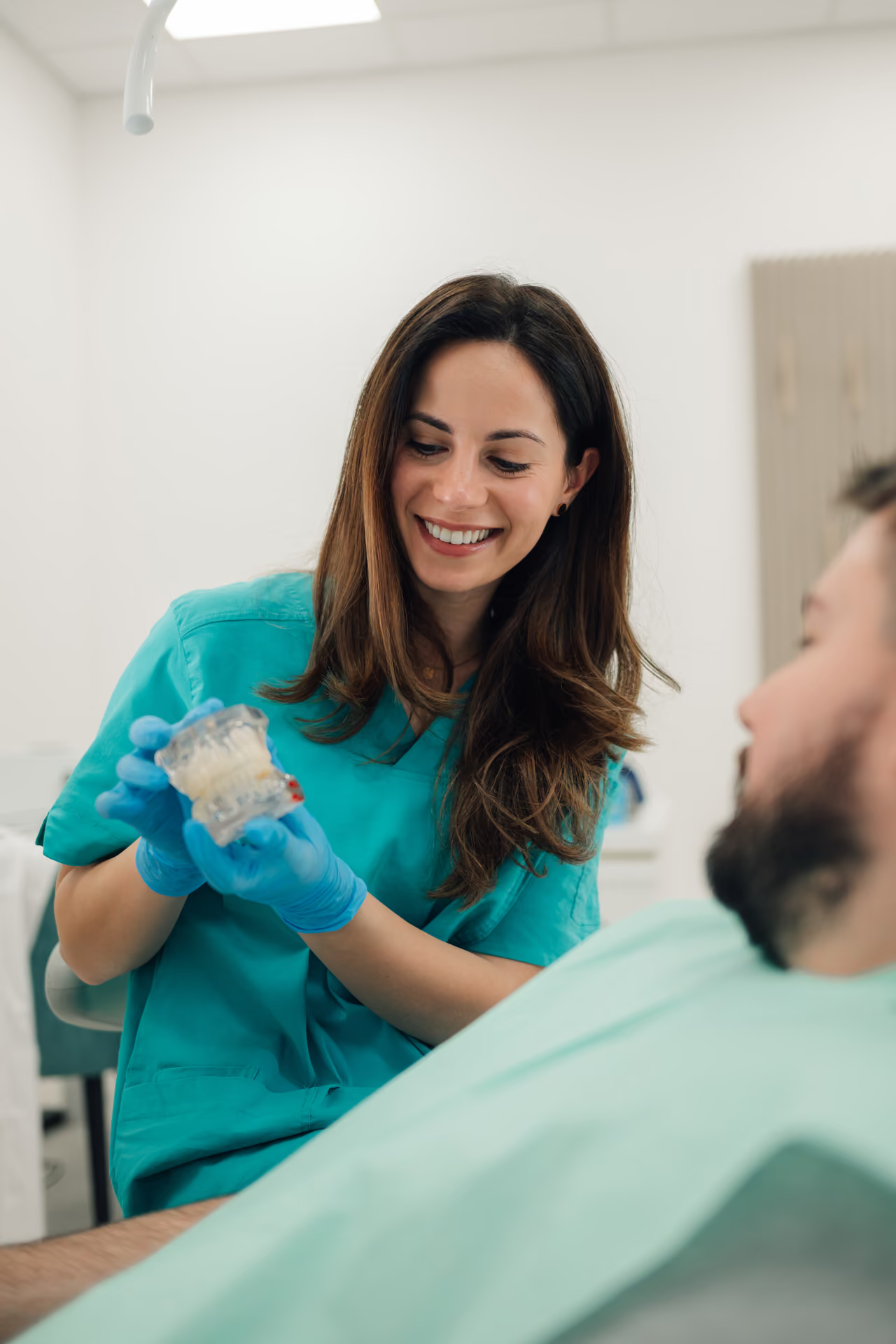
Dentures, a type of removable dental prosthesis, require proper daily care to stay clean, comfortable, and functional while preventing issues like bad breath, gum irritation, stains, and infections such as denture stomatitis. Just like natural teeth, dentures accumulate food particles, plaque, and bacteria, so consistent maintenance is essential for both oral health and the longevity of your prosthetics.
Daily Cleaning Routine
Following a consistent routine is the foundation of good denture care. Dental professionals recommend these steps:
Rinse after eating: Remove your dentures after every meal and rinse them under lukewarm running water to dislodge loose food particles and debris. This quick step prevents buildup and staining. Place a towel in the sink or on the counter to cushion them in case they slip.
Brush daily, ideally twice a day: Use a soft-bristled denture brush or a soft toothbrush designed for dentures. Apply a non-abrasive denture cleanser, mild hand soap, or dishwashing liquid, and avoid regular toothpaste, since its abrasives can scratch the surface and create places for bacteria to hide. Gently brush all surfaces, including the teeth, base, and areas that contact your gums, paying special attention to grooves if you use adhesive. Clean over a sink filled with water or on a soft towel for protection.
Overnight care: Most dentures need moisture to maintain their shape and prevent warping or drying out. Keep the denture case moist by placing a few drops of water inside it. A couple of times a month, use a denture cleaning solution to help reduce bacteria and fungi buildup on the denture.
Always rinse dentures thoroughly with water after soaking or brushing, especially if using a chemical cleanser, before reinserting them into your mouth. Never use denture cleansers inside your mouth.
Caring for Your Gums and Mouth
Remove your dentures at night if possible (consult your dentist for personalized advice) and clean your gums, tongue, roof of your mouth, and any remaining natural teeth with a soft-bristled toothbrush or gauze. This removes plaque and stimulates tissues, reducing the risk of irritation or infection.
What to Avoid
- Hot or boiling water. It can warp dentures and ruin their fit.
- Abrasive cleaners. Skip stiff brushes, whitening toothpastes, powdered household cleansers, or anything gritty that could scratch the material.
- Bleach or harsh chemicals. These can discolor, weaken, or damage dentures. Limit any bleach exposure to no more than 10 minutes if used at all, and avoid it on metal parts.
- Dropping them. Handle with care, since dentures are fragile.
Using Denture Adhesive
If you use adhesive for better retention, keep these guidelines in mind:
- Apply it only to clean, dry dentures in small amounts, typically 3 to 4 pea-sized dollops per denture.
- Remove all adhesive daily during cleaning.
- Do not rely on adhesive to fix ill-fitting dentures. See your dentist for adjustments, relines, or replacements, since extended use without professional checks can lead to further issues.
- Avoid zinc-containing adhesives due to potential systemic effects with overuse.
If you find yourself relying heavily on adhesive for a secure fit, it may be worth discussing implant-supported dentures with your prosthodontist as a longer-term alternative.
Professional Maintenance
Visit your dentist or prosthodontist regularly, at least annually, for check-ups, professional ultrasonic cleaning, and an assessment of your denture fit. Over time, your mouth changes shape, so dentures may need relining or replacement to prevent sores and maintain comfort. Annual professional cleaning also helps minimize long-term biofilm buildup.
Denture and other removable prosthetics should be inspected yearly by your dentist or prosthodontist. The average lifespan of a denture is about 5 to 7 years, after which point most patients benefit from a reline, adjustment, or replacement.
Additional Tips for Longevity
- Store dentures in a covered container when not in use to keep them safe and moist.
- Eat a balanced diet and avoid excessively sticky, hard, or staining foods if they cause issues.
- If dentures develop odors, unusual stains, or discomfort, consult your dentist promptly, since it could signal the need for better cleaning or repair.
A Foundation for Long-Term Comfort
Proper denture maintenance not only extends the life of your dentures but also supports overall health by reducing harmful bacteria. If you're new to dentures or experiencing problems, your prosthodontist can provide tailored advice and demonstrate proper technique. For a broader look at how dentures support oral health and quality of life, see our guide on the importance of dentures. Consistent habits pay off with a confident smile and comfortable wear for years to come.
FAQs
How often should I clean my dentures?
Dentures should be rinsed after every meal and brushed thoroughly at least once, ideally twice, a day. They should also soak overnight to stay moist and maintain their shape.
Can I use regular toothpaste to clean my dentures?
No. Regular toothpaste is too abrasive for denture material and can create tiny scratches where bacteria collect. Use a non-abrasive denture cleanser, mild hand soap, or dishwashing liquid instead.
How long do dentures typically last?
Most dentures last about 5 to 7 years before needing a reline or replacement, since the shape of your mouth naturally changes over time. Annual check-ups help catch fit issues early.
What happens if I don't clean my dentures properly?
Poor denture hygiene can lead to bad breath, gum irritation, staining, and infections such as denture stomatitis. Consistent daily cleaning and regular professional check-ups help prevent these issues.
Schedule a Consultation
If your dentures no longer fit comfortably or it's been a while since your last check-up, Dr. Kaveh Azarnoush and the team at Mosaic Prosthodontics can evaluate your fit and recommend next steps. To schedule a consultation, contact our office or request an appointment online. We're located at 1460 E Whitestone Blvd, Suite 210, Cedar Park, TX 78613, serving patients from Cedar Park, Austin, Round Rock, Leander, Bee Cave, and Georgetown.